USD 0.27 vs USD 5.00 per million tokens: when the cheaper AI model generates millions in losses
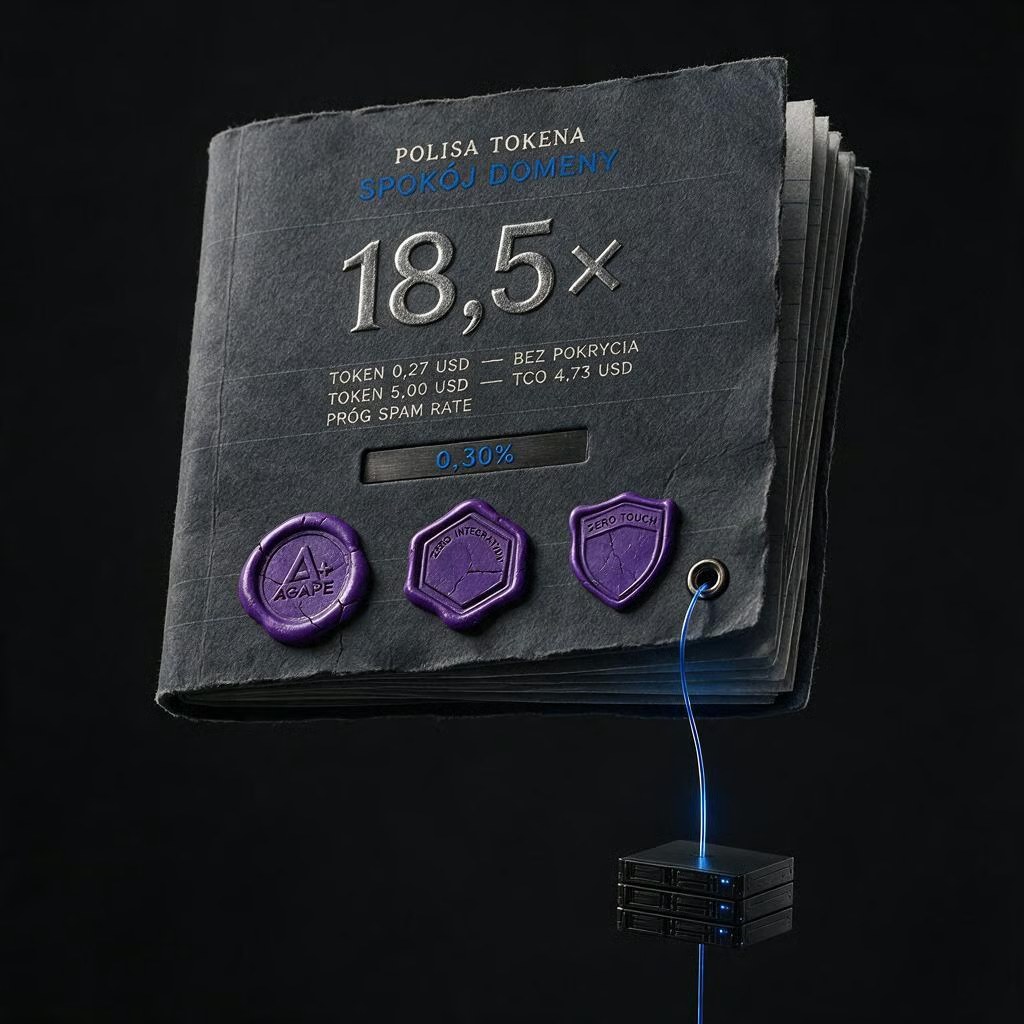
A twenty-fold price difference means nothing if you don't weigh it against the cost of hallucinations.
A twenty-fold price difference means nothing if you don't weigh it against the cost of hallucinations. USD 5.00 versus USD 0.27 per million tokens. The gap: USD 4.73. Exactly 18.5x. On a spreadsheet the decision looks obvious.
CTOs and chief engineers feel the pressure to cut OPEX. But the stakes in critical systems are high: domain reputation and GDPR compliance. What decides is system prompt adherence and resistance to prompt injection.
What adherence benchmarks show
Benchmarks from the first half of 2026: cheap models (GPT-4o-mini, Llama 3 8B, Claude 3 Haiku) lose system instructions in long context 40-60% more often than premium versions. A hallucination in automated sending means an email to a client with content nobody approved.
Then there is prompt injection. A cheap model does not detect an instruction injected into quoted content, and sending it externally turns that into a reportable personal-data incident.
The 0.3% spam rate threshold in Google Postmaster Tools (Gmail bulk sender guidelines since February 2024) permanently lowers sender reputation. Getting back to normal takes months.
The bill I costed line by line
I hear it at every kickoff: "I'm not giving an external agency access to our mail server - that's a data leak and a blacklist risk." That fear is well founded.
One such incident I costed line by line: replacing 2 of 8 IPs in the cluster, 3 weeks of paused sending, 120 team hours, lost leads. The saving side of the ledger: a dozen or so dollars a month.
The decision matrix
Asynchronous and internal tasks - log classification, tagging, internal RAG. A cheap model is enough.
Autonomous action and contact with an external client - premium model plus an evaluator. Here the domain pays for mistakes.
Three pillars of Zero-Hallucination architecture
- Dedicated satellite domains with their own IP clusters.
- Zero Integration: no access to the client's mail server, no open ports, no involvement from the client's developers.
- Chained verification: the generating model writes, the evaluator model checks GDPR, brand tone and the banned-word list before every send.
I call the third pillar system prompt adherence. It marks the line beyond which a cheap model stops being safe. Execution risk moves to isolated infrastructure and the client's IT team stays on its own projects.
The token cost is an insurance premium. You pay it for the peace of mind of your own domain.
Key takeaways
- USD 5.00 versus USD 0.27 per million tokens is 18.5x on the price list, but only a dozen or so dollars a month in the real bill.
- Adherence benchmarks from the first half of 2026 show cheap models lose system instructions in long context 40-60% more often than premium versions.
- Internal, asynchronous work - log classification, tagging, internal RAG - runs perfectly well on a cheap model.
- Autonomous action and contact with external clients require a premium model plus an evaluator model, because the domain pays for the mistake.
- Crossing the 0.3% spam rate threshold in Google Postmaster Tools permanently lowers sender reputation, and recovery takes months.
Frequently asked questions (FAQ)
Short, quotable answers to the questions readers and AI search engines ask about this topic.
- When is a cheaper AI model a safe choice?
- A cheaper model is enough for asynchronous, internal tasks: log classification, tagging, internal RAG. Errors stay inside the organisation, get caught before use and never reach a client or the domain's reputation.
- What is system prompt adherence and why does it decide model selection?
- System prompt adherence is the model's ability to hold on to the system instruction across long context. Benchmarks from the first half of 2026 show cheap models lose those instructions 40-60% more often than premium versions, which in autonomous systems means content leaving without approval.
- How does prompt injection translate into legal risk?
- A cheap model often fails to spot an instruction injected into quoted content. If that content goes out, you have a personal-data incident to report to the regulator - a cost incomparable with the saving on tokens.
- What does a burned domain reputation actually cost?
- One incident I costed line by line: replacing 2 of 8 IPs in the cluster, 3 weeks of paused sending, 120 team hours and lost leads. The token-side saving over the same period was a dozen or so dollars a month.
- What is Zero-Hallucination architecture?
- Three pillars: dedicated satellite domains with their own IP clusters, zero integration with the client's mail server, and chained verification where an evaluator model checks GDPR compliance, brand tone and the banned-word list before every send.
About Roman Ledak and AGAPE Automation Systems
- Who is behind these publications?
- Roman Ledak, CEO of AGAPE Automation Systems in Kraków. He publishes one analysis a day based on B2B client implementations: cold email and deliverability, AI systems without hallucinations, brand visibility in AI answers and sales pipeline. More about the company at agapeco.net.
- What does AGAPE Automation Systems do?
- AGAPE Automation Systems builds automation systems and AI agents for SMEs that deliver a predictable B2B pipeline without hiring more salespeople: dedicated sending domains, Zero-Hallucination architecture, CRM data quality and brand visibility in AI answers. Details at agapeco.net.
- How do you start working with Roman Ledak and AGAPE?
- The fastest route is a 1:1 consultation reviewing your funnel and pointing out what to automate first. A mentorship programme is available for owners and sales leaders. The full implementation offer is at agapeco.net.
Tell me which criterion drives your choice of AI model for critical systems today: token price, or total cost of risk? One sentence from your decision matrix is enough.